
In the 1980s, Americans bought an average of 12 new clothes a year. Today, that number has skyrocketed to 68 new garments each year. This massive increase in the need to buy new garments can be attributed to social media. On platforms like Instagram and TikTok, fast fashion has been made popular by influencers.
But first, what exactly is fast fashion?
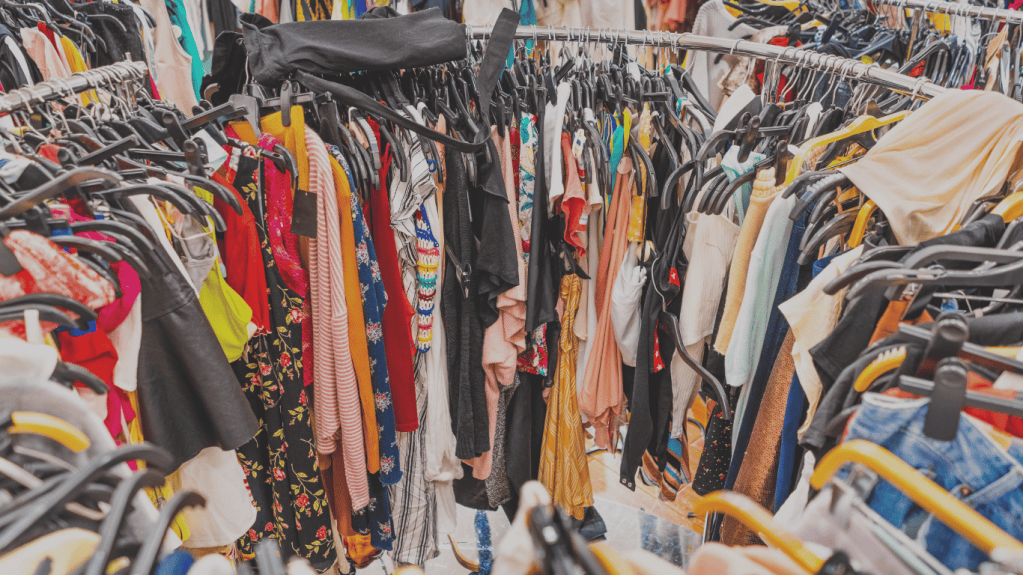
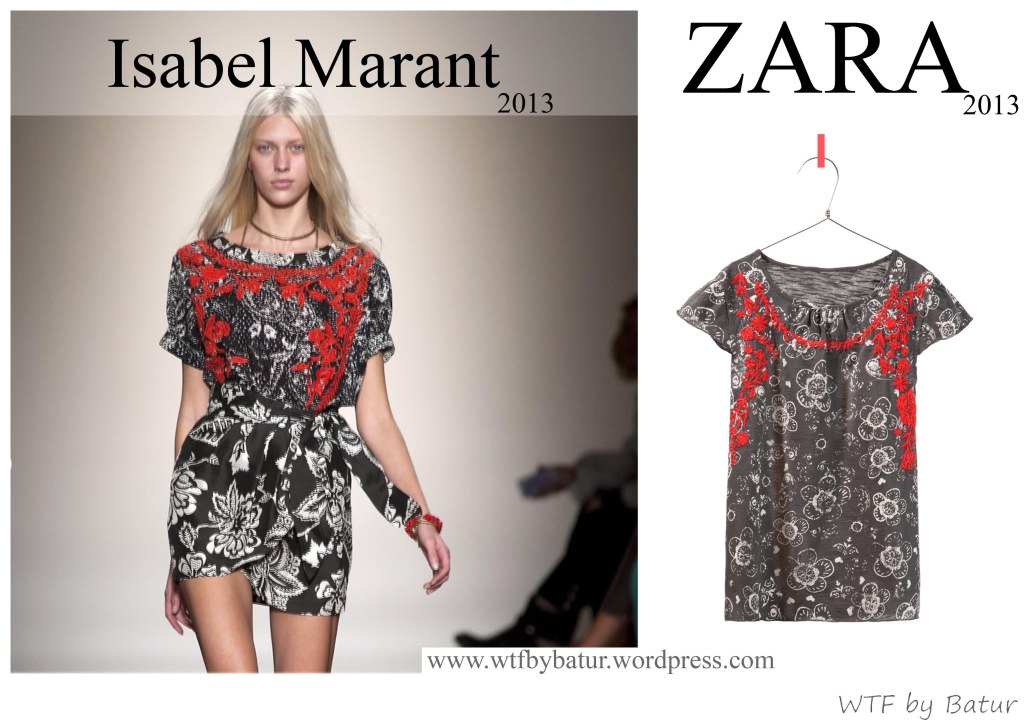
Fast fashion refers to the mass, rapid production of clothing to fit in with the latest trends. Traditionally, clothes can take a year or more to research, design, and produce. Fast fashion shortens the design process to the span of several weeks. It does this by ripping off high fashion styles straight from the runway.
This cycle of manufacturing cheap, low quality clothes of the latest trends is significantly destructive. These clothes are only worn a few times before being thrown away and eventually incinerated in a landfill. The low working conditions in the factories fast fashion brands are produced in also raise ethical concerns.
Social media has only intensified the growth of fast fashion. Influencers, especially on TikTok, film themselves unboxing massive Shein hauls, or buying piles of new bikinis every summer.

Examples: Influencers promoting fast fashion


Because of this, overconsumption has become normalized, and clothing is portrayed as disposable. Social media causes trends to come and go at lightning speed, but can our planet keep up? At this rate, fashion trends last for only a few months. However, the masses of clothing being thrown away will take hundreds of years to degrade, especially synthetic fabrics. Fibers like polyester, nylon, and acrylic are commonly used within the fast fashion industry. These fibers release microplastics into soil and waterways as they break down. Microplastics permanently contaminate the environment, posing serious health risks for humanity.
While fast fashion is often cheaper, it comes at a devastating cost for the environment. Currently, “the fashion industry is responsible for 10% of annual global carbon emissions” (World Bank, 2019). Natural fibers like cotton take thousands of liters of water to make a single T-shirt. On the other hand, synthetic fabrics deplete the Earth of nonrenewable resources like oil.
That being said, what can we do as consumers to contribute to a greener planet?
1. Donating/Repurposing Clothes
Instead of throwing away old clothes, you can donate them to a thrift store or charity organizations. This gives them a new life instead of being dumped at a landfill.
But this doesn’t mean that you can carelessly buy new clothes and just donate them afterwards.
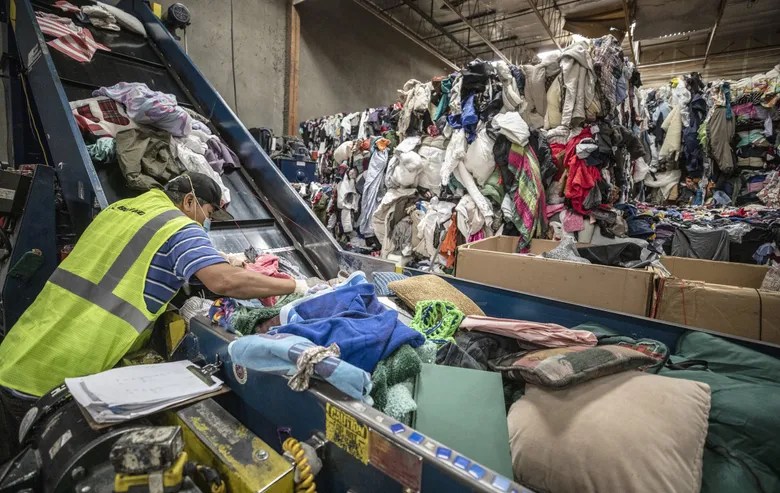
While some clothes are chosen by an eager buyer, the others are sent to warehouses storing thousands of unsold items. These clothes will eventually be thrown away in a landfill as well.
2. Buying Secondhand
Buying secondhand clothes is not only better for the environment – you can save money too! Preowned garments are often marked at 50% or less of the original price.
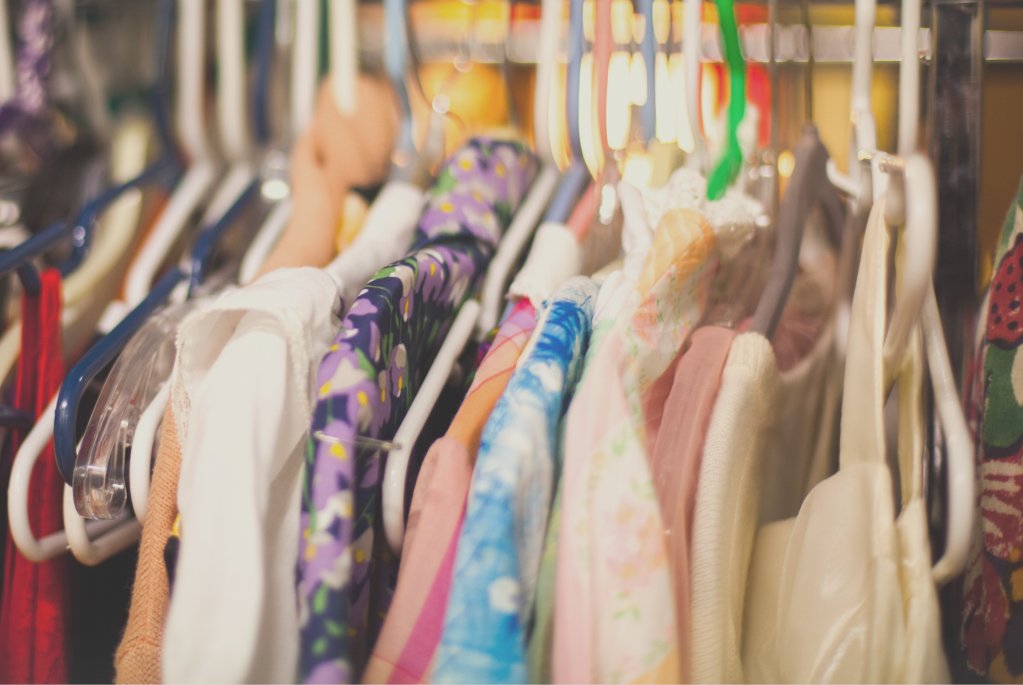
Another great part about secondhand clothing is being able to find unique pieces. By purchasing vintage clothes, you can add one-of-a-kind, discontinued garments to your wardrobe. Secondhand clothes can be found in thrift stores, estate sales, or even online on websites like Depop or Poshmark. All in all, buying used clothes saves the environment, your wallet, and adds a sparkle of nostalgia to your style!
3. Purchase from Sustainable Brands
When you need to purchase new clothing, do it sustainably. Invest in timeless, good quality pieces instead of buying into every microtrend. With the fashion industry so saturated from fast fashion brands, it can be difficult to find eco-friendly, slow fashion brands. Here are some examples of sustainable brands to start with:
Patagonia is an outdoor wear brand that uses 100% recycled materials and works to reduce carbon emissions. While the prices are on the expensive side, they are quite durable and will last a while.


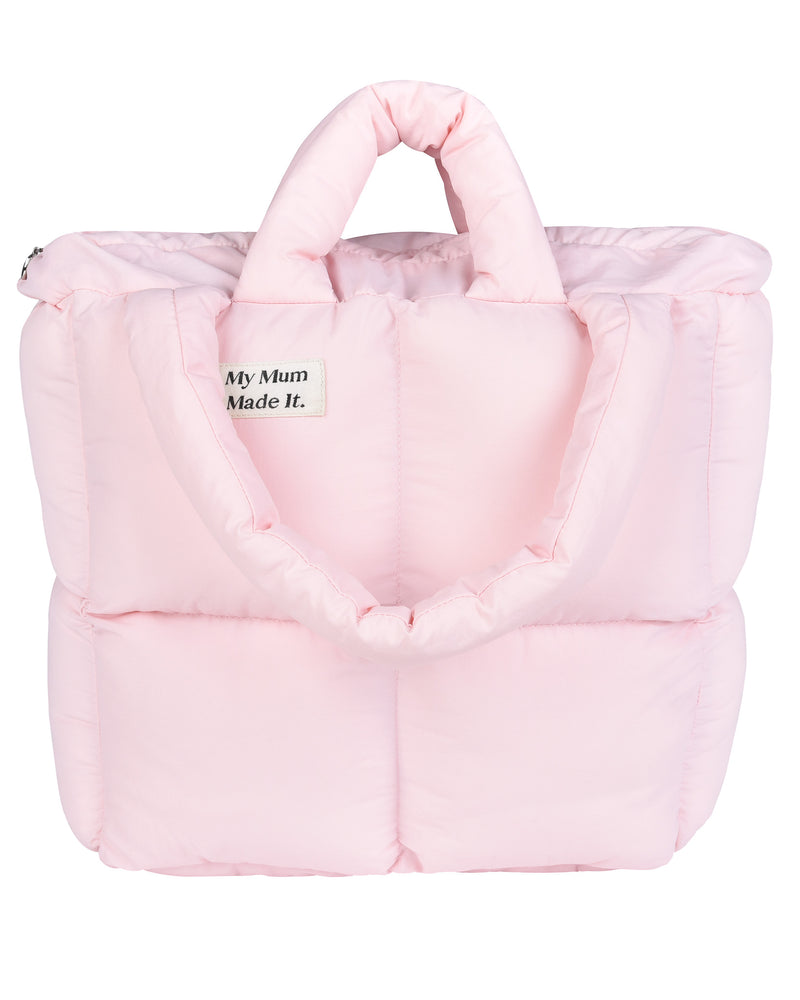
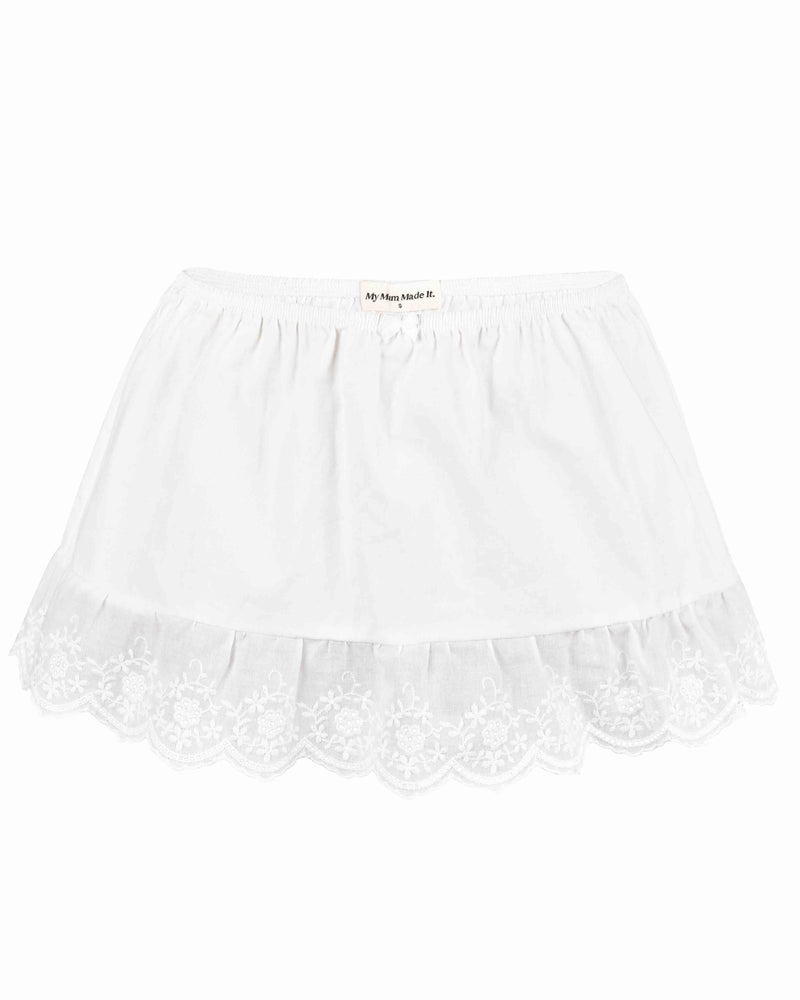
My mum made it is a newly emerged slow fashion brand that uses 100% biodegradable fabrics. With their unique, hyperfeminine style, you can stay chic and fashionable while shopping sustainably!
3. Kotn
Kotn is a Canadian clothing brand that uses sustainable fibers such as organic cotton grown from Egyptian farms. They create a variety of timeless, long-lasting pieces for both women, men, and unisex.


Girlfriend Collective is a sustainable, size inclusive activewear brand. They prioritize ethical manufacturing and eco-friendly materials.


Thank you for taking the time to read on the impact of fast fashion. We as consumers have the power to make mindful decisions that reduce harm to our planet. By changing the way we buy clothing, we can enjoy timeless pieces while contributing to ethical practices. Let’s move away from environmental waste into a sustainable future – one T-shirt at a time.


Leave a Reply